
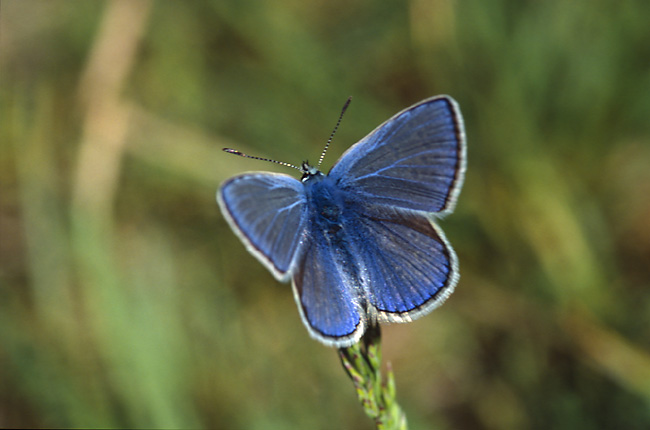
5. Betic Azure (Blue Butterfly of Sierra Nevada)
The Betic azure, a small butterfly native to the Sierra Nevada in Spain, faces numerous threats to its survival, with climate change being a significant concern. Already impacted by habitat destruction and human activities like the development of ski resorts, this butterfly species struggles to adapt to rising temperatures and increased droughts.
As temperatures climb, the Betic azure is forced to migrate higher in altitude, where it struggles to find suitable food sources. The resulting lack of food availability poses a serious risk to the survival of this species. Despite its small size, the Betic azure plays a crucial role in ecosystem health as a primary pollinator, making its protection essential for maintaining biodiversity in the Sierra Nevada region.
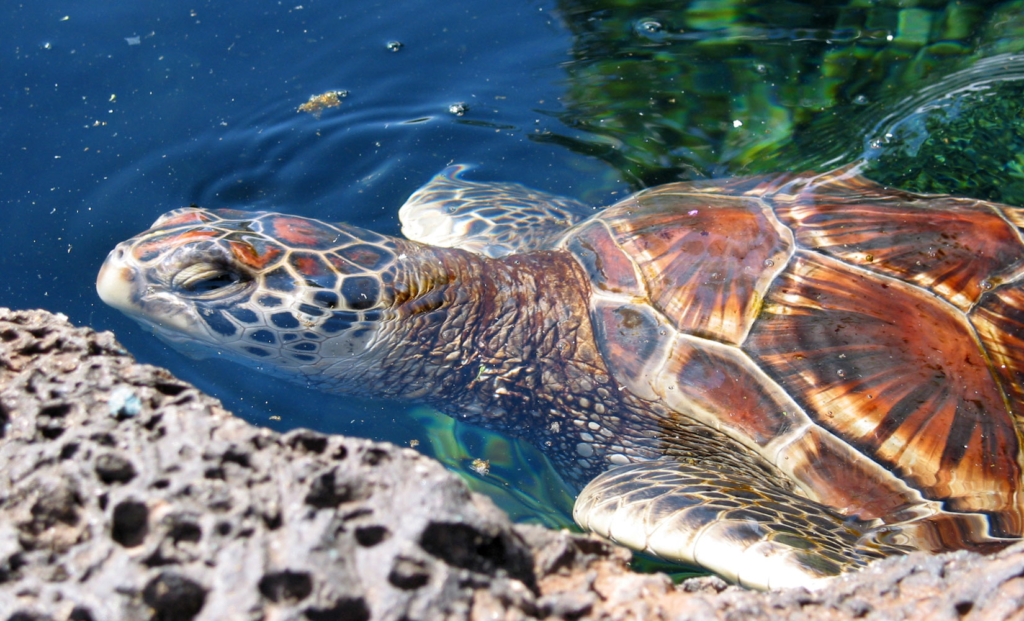
6. Sea Turtles
Sea turtles, beloved by many for their majestic presence, face numerous challenges due to climate change. Rising sea levels and extreme weather events threaten their nesting habitats, reducing available space for nesting and increasing erosion of beaches. Additionally, warmer sand temperatures impact the hatching success of turtle eggs, with more females hatching in warmer conditions. This imbalance in gender ratios could lead to reduced breeding success and population declines over time. Furthermore, ocean acidification, pollution, and habitat degradation further compound the threats faced by sea turtles.
As key species in marine ecosystems, the decline of sea turtles could have cascading effects on ocean health, highlighting the urgency of conservation efforts to protect these iconic creatures.
