
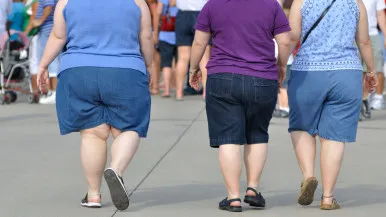
Obesity continues to rise across the United States, affecting millions of adults and putting them at higher risk for heart disease, diabetes, stroke, and other health conditions. According to the CDC, 16 states now report obesity rates of 35% or higher, with most located in the South and Midwest. Below are 15 states with some of the highest obesity rates, along with the factors driving these numbers.
1. Mississippi
Mississippi consistently ranks as the most obese state in the U.S., with rates surpassing 40%. The state’s struggles with poverty, limited access to healthcare, and high consumption of fried foods contribute to these numbers. Obesity in Mississippi leads to high rates of diabetes, heart disease, and hypertension. Rural communities are especially impacted due to fewer recreational opportunities and lack of affordable, nutritious food options, making healthy living a major challenge.

2. West Virginia
West Virginia faces alarming obesity rates, with more than 39% of adults classified as obese. Economic hardship, sedentary lifestyles, and reliance on calorie-dense comfort foods play key roles. Limited access to preventive healthcare has also worsened the problem. Obesity-related illnesses, particularly diabetes and cardiovascular disease, strain the healthcare system. The mountainous terrain, while beautiful, makes access to gyms or fresh produce markets more challenging in rural towns, fueling the ongoing crisis.

3. Arkansas
Arkansas has one of the highest obesity rates in the country, hovering near 38%. The state’s residents face barriers to healthy food choices, often relying on fast food due to convenience and affordability. Cultural preferences for fried, hearty meals also contribute. Obesity-related health issues, including diabetes and heart disease, are widespread. Rural isolation limits access to healthcare services and fitness centers, compounding the issue and making it harder for residents to adopt healthier habits.

4. Oklahoma
Oklahoma’s adult obesity rate is close to 37%, reflecting both cultural and economic factors. Many communities depend heavily on processed and fried foods, while physical activity levels remain low. Access to preventive healthcare and education on nutrition is limited in rural areas. As a result, obesity-related conditions such as high blood pressure, diabetes, and stroke are prevalent. Public health initiatives are underway, but significant challenges remain in addressing lifestyle and dietary habits.

5. Kentucky
Kentucky struggles with obesity, affecting about 37% of its population. Traditional southern diets rich in fried foods, high smoking rates, and low levels of physical activity contribute to the crisis. Rural communities have limited access to fresh produce and affordable healthcare. This has led to rising cases of diabetes and heart disease. Educational attainment also plays a role, with lower-income residents more likely to struggle with weight-related health problems across the state.

6. Alabama
Alabama’s obesity rate hovers around 36%, placing it among the highest in the nation. Cultural food traditions, which emphasize fried chicken, biscuits, and gravy, fuel unhealthy diets. Poverty levels further worsen the crisis by limiting healthier choices. Obesity is strongly linked to chronic illnesses like diabetes and hypertension here. Despite state-led health campaigns, the problem persists, especially in rural counties where residents face limited healthcare access and reduced opportunities for physical activity.

7. Louisiana
Louisiana has an obesity rate of about 36%, shaped by cultural and economic factors. While known for its rich and flavorful Cajun and Creole cuisine, the reliance on fried, calorie-dense dishes contributes to rising obesity levels. Poverty rates remain high, restricting access to nutritious food and medical care. The state also struggles with high levels of diabetes, stroke, and cardiovascular disease, all of which are strongly linked to its widespread obesity crisis.

8. Indiana
Indiana’s adult obesity rate is over 36%, making it one of the hardest-hit states in the Midwest. Sedentary lifestyles and unhealthy eating patterns play a major role. Rural areas especially lack fresh produce and recreational facilities, pushing people toward fast food and processed meals. Chronic health issues like diabetes, high cholesterol, and heart disease are widespread. Despite awareness campaigns, Indiana continues to face major obstacles in reducing obesity among its residents.

9. Kansas
Kansas reports an obesity rate of about 36%. Diets high in fast food and sugary beverages are common, while physical inactivity remains a growing issue. Many small towns lack grocery stores with fresh options, making processed foods more accessible. This has fueled high rates of diabetes and hypertension among residents. Kansas has made efforts to improve nutrition programs, but poverty and limited healthcare access still heavily influence the state’s obesity levels.

10. Iowa
Iowa has recently joined the list of states with obesity rates exceeding 35%. A combination of sedentary lifestyles, reliance on high-calorie diets, and lack of awareness contributes to the issue. Obesity in Iowa has led to increased rates of diabetes, stroke, and heart disease. Rural populations struggle most, as many areas have few gyms or affordable fresh produce options. Despite being an agricultural state, healthy eating isn’t always accessible or affordable to residents.

11. Texas
Texas has one of the largest populations in the U.S., and obesity affects more than 35% of its adults. Economic inequality plays a significant role, as many residents rely on affordable, calorie-dense foods. Hispanic and Black communities in particular face higher obesity rates due to systemic barriers in healthcare and access to nutritious meals. Chronic diseases linked to obesity, such as diabetes and hypertension, remain widespread, straining the state’s healthcare resources significantly.

12. Michigan
Michigan’s obesity rate sits at about 36%. Factors include a diet heavy in processed foods and widespread physical inactivity during the long winters. Rural counties often lack fresh food options and safe exercise spaces. The consequences include soaring rates of diabetes, hypertension, and heart disease. Public health programs have attempted to promote better nutrition, but the cycle of poverty and limited healthcare access makes meaningful progress difficult for many residents statewide.

13. Missouri
Missouri ranks high with obesity affecting more than 35% of its adult population. Limited access to healthcare and affordable, nutritious food, especially in rural towns, plays a central role. Traditional diets high in fried foods and sugary drinks also contribute. Obesity-related health conditions, including diabetes and cardiovascular disease, remain common. While the state has invested in wellness programs, poverty and sedentary lifestyles continue to drive high obesity rates across Missouri communities.

14. North Dakota
North Dakota has joined the ranks of states with obesity rates exceeding 35%. Harsh winters limit outdoor activity, while many residents rely on calorie-dense comfort foods. Rural communities face additional challenges in accessing fresh produce and preventive healthcare. As a result, chronic diseases like diabetes, heart conditions, and high blood pressure are widespread. Despite being a state with agricultural resources, affordability and access to healthy eating remain significant barriers for many households.

15. South Carolina
South Carolina rounds out the list with an obesity rate of about 35%. Poverty, poor diet, and limited access to preventive healthcare are major contributors. Traditional Southern cuisine, often fried and rich in calories, exacerbates the issue. Obesity has fueled widespread cases of diabetes and hypertension, adding to the state’s healthcare burden. While awareness campaigns exist, challenges remain in changing dietary habits and improving access to healthier food options across the state.