
Beauty has never had a single definition. What one culture celebrates can seem confusing or even extreme to someone else. Across different regions and time periods, people have followed unique rules about how a face or body should look. Some of these standards were shaped by tradition, religion, climate, or social status. Others developed from myths or long-held beliefs about what makes someone attractive or valuable. Today, many of these practices appear unusual, but they reflect how diverse human ideas of beauty can be. The entries that follow explore some of the strangest beauty standards from around the world, showing how varied and sometimes surprising these expectations can be.
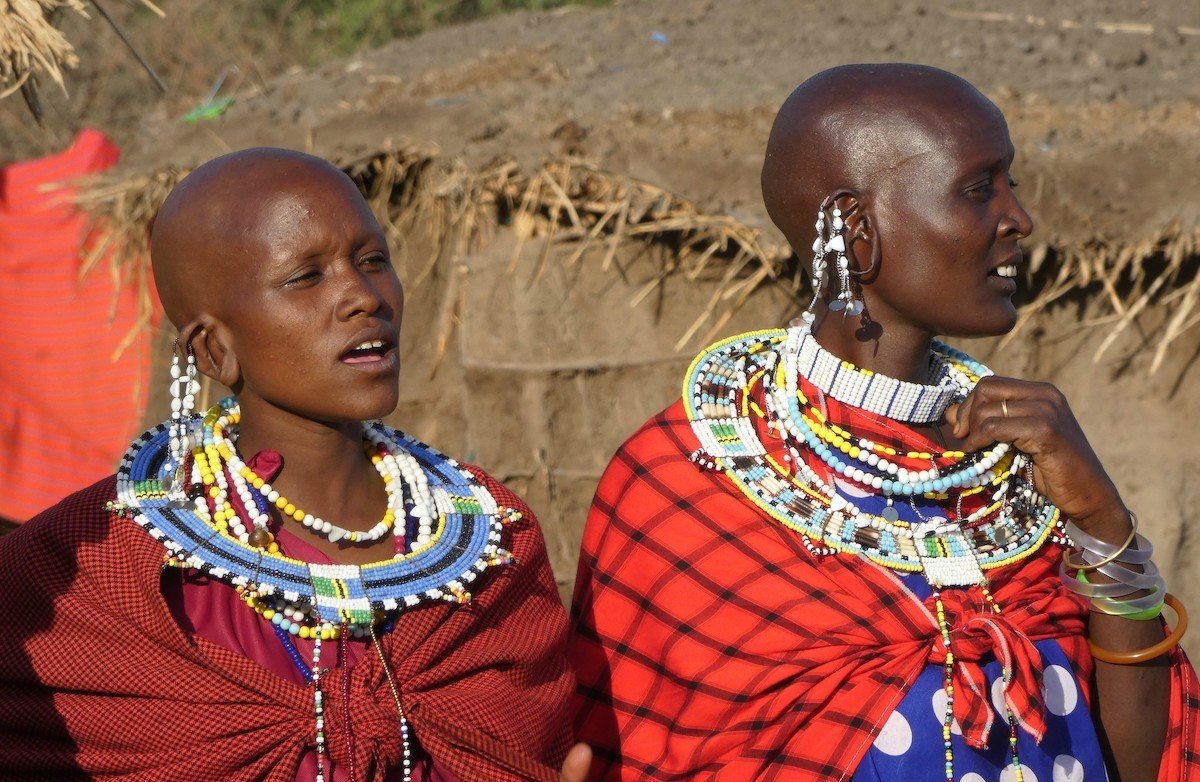
1. Shaved Head – Tanzania
In Tanzania, the beauty traditions of the Maasai community still stand out as one of the most striking examples of how cultural meaning shapes physical appearance. While many societies associate long, flowing hair with femininity, the Maasai view it the opposite way. For them, long hair symbolizes the mane of a lion, which is linked to the tribe’s male warriors. Because of this, Maasai women shave their heads clean, sometimes even on a regular basis, to reflect humility, purity, and respect for their role in the community.
The shaved skull is more than a haircut; it’s a ritual tied to identity, belonging, and tradition. Girls often begin shaving their heads at a young age, and the practice becomes part of their daily lives. It shows they embrace the ideals of modesty and discipline that the culture values. During important ceremonies, including marriage and rites of passage, the head is shaved once again to mark renewal and readiness for the next stage of life.
This practice reminds everyone that beauty is shaped by cultural meaning rather than global standards. What one culture sees as bold or masculine, another may view as elegant or deeply symbolic. Today, even though globalization brings new hairstyles, products, and trends to East Africa, the tradition of the shaved skull continues to endure within the Maasai community. It represents pride, heritage, and a connection to ancestors that is still honored across generations.
