When people talk about crime in the United States, they often imagine entire cities as unsafe. The reality is more complicated. Crime tends to be concentrated in specific neighborhoods, while other areas in the same city can be thriving, busy, and relatively safe. Still, some cities consistently appear in crime reports due to higher rates of violent offenses, property crime, or long-standing social challenges.

1. Tennessee – Memphis
Memphis is often ranked among the most dangerous cities in the United States due to its consistently high violent crime rate, particularly in categories like homicide, aggravated assault, and robbery. While recent data shows some improvement, with declines in homicides and theft, the overall numbers still remain well above national averages. Much of the crime is concentrated in specific neighborhoods such as South Memphis, Frayser, and parts of North Memphis, where poverty, gang activity, and limited economic opportunities continue to fuel instability. Despite this, Memphis is far from uniformly dangerous, as areas like Downtown, East Memphis, and tourist hubs such as Beale Street and Graceland are heavily monitored and relatively safe. The city presents a strong contrast between struggling districts and thriving cultural centers, making it a place where risk depends heavily on location and circumstance.

2 Missouri – St. Louis
St. Louis has long been associated with high crime rates, particularly due to its elevated homicide figures, which consistently rank among the highest per capita in the country. The issue is heavily localized, with northern neighborhoods like Walnut Park and Jeff-Vander-Lou experiencing significantly higher levels of violence compared to more stable areas such as Central West End or Soulard. Population decline over decades has also skewed crime statistics, making the numbers appear even more severe relative to the city’s size. Gun violence remains a central concern, often tied to systemic poverty and limited access to opportunities. However, the city has seen slight improvements in recent years, with targeted policing and community programs beginning to show results. While St. Louis remains statistically dangerous, its reality is complex, with safe, vibrant areas coexisting alongside high-risk zones.

3. Michigan – Detroit
ses and property theft. While not as extreme as some cities on this list, Atlanta still ranks as one of the most dangerous in its state due to its population size and urban challenges. Crime tends to be concentrated in specific neighborhoods, while many parts of the city remain safe, modern, and economically strong. Atlanta’s rapid growth has brought both opportunities and challenges, including increased inequality in certain areas. The city continues to invest in public safety measures and community programs aimed at reducing crime. Overall, Atlanta reflects the broader trend of large metropolitan areas where safety varies significantly depending on location.

4. Maryland – Baltimore
Baltimore remains one of the most discussed cities in crime reports due to its historically high rates of violent crime, especially homicide and gun-related incidents. While the city has seen meaningful improvements in recent years, with reductions in shootings and overall violence, the numbers are still above the national average. Crime is not spread evenly across the city. Areas such as West Baltimore, parts of East Baltimore, and certain central corridors experience much higher levels of violence linked to poverty, drug markets, and long-standing social inequality. In contrast, neighborhoods like Canton, Roland Park, and the Inner Harbor area are significantly safer and more stable, often benefiting from stronger community structures and police presence. Baltimore today is a city of contrasts, where progress exists alongside deep-rooted challenges.

5. Ohio – Cleveland
Cleveland continues to rank among the higher-crime cities in the United States, mainly due to elevated levels of violent crime and property-related offenses. The city has struggled for years with economic decline, which has contributed to persistent poverty in several neighborhoods. Violent crime is most concentrated in areas such as Central-Kinsman, Hough, and parts of Glenville, where unemployment and limited access to resources remain major issues. However, Cleveland is not uniformly dangerous. Downtown, Ohio City, and University Circle are noticeably safer and have benefited from redevelopment, cultural investment, and stronger policing strategies. Recent trends show gradual improvements in certain crime categories, but the city still faces long-term structural challenges that continue to influence safety levels.

6. Illinois – Chicago
Chicago is one of the most complex cases in U.S. crime statistics because of its size and the concentration of violence in specific areas. While many parts of the city are safe and highly developed, certain neighborhoods on the South and West Sides experience higher rates of gun violence, robbery, and aggravated assault. Communities such as Austin, Englewood, and West Garfield Park are often highlighted in crime data due to long-standing issues related to poverty, gang activity, and underinvestment. At the same time, areas like the Loop, Lincoln Park, and River North remain busy, tourist-friendly, and comparatively safe. Chicago’s overall crime picture is mixed, with improvements in some categories but ongoing challenges that keep it consistently in national discussions.

7. Pennsylvania – Philadelphia
Philadelphia regularly appears in crime rankings due to its elevated levels of violent crime, particularly shootings and assaults in certain neighborhoods. The city has made progress in reducing some categories of crime, but violence remains a concern in areas such as Kensington, North Philadelphia, and parts of Southwest Philadelphia. These areas often face deep-rooted issues including poverty, drug activity, and limited economic mobility. In contrast, Center City, Old City, and areas near universities tend to be much safer and heavily monitored. Philadelphia’s crime pattern is highly localized, meaning safety can change significantly within just a few blocks. Despite its challenges, the city continues to see investment in community programs and redevelopment efforts aimed at improving long-term safety.

8. Louisiana – New Orleans
New Orleans is widely known for its culture and tourism, but it also has one of the higher violent crime rates in the country. The city’s crime challenges are mostly linked to gun violence and aggravated assaults, often concentrated in specific districts rather than the entire city. Neighborhoods such as Central City, New Orleans East, and parts of the Seventh Ward experience higher levels of crime driven by poverty and economic inequality. Meanwhile, areas like the French Quarter, Garden District, and Uptown are heavily policed and remain relatively safe, especially during tourist seasons. The city’s strong reliance on tourism means safety efforts are often focused around major attractions, creating a sharp divide between visitor zones and residential neighborhoods.

9. Georgia – Atlanta
Atlanta has a mixed crime profile, with certain areas experiencing significantly higher levels of violent crime than others. The city has seen fluctuations in crime rates over recent years, with some improvements in property crime but ongoing concerns around shootings and assaults. High-risk areas include parts of Southwest Atlanta and neighborhoods with long-standing economic challenges. At the same time, areas like Buckhead, Midtown, and Downtown have seen increased development and stronger security presence, making them comparatively safer. Atlanta’s crime trends are closely tied to rapid population growth, income inequality, and urban development pressures, resulting in a city where safety can vary widely depending on location.

10. Texas – Houston
Houston is one of the largest cities in the United States and has a correspondingly complex crime landscape. While many neighborhoods are safe and economically strong, certain areas report higher levels of violent and property crime. Issues such as aggravated assault, robbery, and vehicle theft are more common in specific parts of the city, particularly in under-resourced neighborhoods on the east and south sides. At the same time, areas like The Heights, Downtown redevelopment zones, and Uptown are generally safer and well-patrolled. Houston’s size makes it difficult to generalize, and crime is highly localized rather than citywide, with significant differences between districts.

11. California – Los Angeles
Los Angeles is often associated with crime in media reports, but the reality is highly localized. The city has a wide range of safety levels depending on the neighborhood. Violent crime, including assaults and robberies, is more concentrated in certain areas such as parts of South Los Angeles and the Skid Row region, where poverty and homelessness create ongoing challenges. At the same time, large parts of the city such as Beverly Hills adjacent areas, Santa Monica, and West LA are significantly safer and heavily policed. Property crime is more common than violent crime across the city, especially vehicle break-ins. Overall, Los Angeles reflects a pattern seen in many major cities, where crime is unevenly distributed rather than citywide.

12. Florida – Miami
Miami has a moderate but noticeable crime rate compared to other major U.S. cities, with property crime being more common than violent offenses. However, certain neighborhoods experience higher levels of violent incidents, often linked to economic disparity and population density. Areas such as parts of Liberty City and Overtown are more frequently mentioned in crime statistics due to long-standing social challenges. In contrast, neighborhoods like Brickell, Coral Gables, and Miami Beach are generally safer and heavily focused on tourism and business activity. The city’s strong international tourism industry also means that many central areas are well-patrolled. Crime in Miami is therefore highly location-dependent, with significant differences between residential and tourist zones.

13. Arizona – Phoenix
Phoenix has seen rapid population growth, and with that growth comes rising concerns around property crime and certain violent offenses. While the city is not among the highest crime centers in the U.S., it still appears in mid-to-high rankings due to issues like theft, assault, and drug-related activity in specific areas. Higher crime levels are often found in parts of South Phoenix, where economic challenges are more visible. Meanwhile, areas such as Scottsdale, Desert Ridge, and central business districts tend to be much safer and well-developed. The city’s spread-out structure means crime is not concentrated in a single zone but distributed across certain vulnerable neighborhoods.

14. Nevada – Las Vegas
Las Vegas is unique because its crime profile is heavily influenced by tourism and entertainment activity. While the Strip is heavily monitored and relatively safe for visitors, surrounding residential areas experience higher levels of property crime and occasional violent incidents. Issues such as theft, robbery, and domestic-related violence contribute to its crime statistics. Neighborhoods outside the tourist core, particularly in North Las Vegas, tend to report higher rates of crime compared to central entertainment zones. Despite this, law enforcement presence in key tourist areas remains strong, making visitor experiences generally safe while local conditions vary significantly depending on location.

15. Missouri – Kansas City
Kansas City has a long-standing association with elevated violent crime rates, particularly in categories like homicide and aggravated assault. The city has faced ongoing challenges related to gang activity, economic inequality, and access to opportunities. Crime is more concentrated in certain neighborhoods on the east side, while areas such as Country Club Plaza and parts of the downtown core are more developed and safer. Recent years have shown efforts to reduce violent crime through community programs and increased policing, but the overall numbers remain above national averages. Like many large cities, safety in Kansas City depends heavily on the specific neighborhood.

16. Washington – Seattle
Seattle is generally considered safer than many major U.S. cities, but it still experiences notable issues with property crime and certain violent offenses. The city has seen increases in theft, vehicle break-ins, and drug-related activity, particularly in specific urban areas. Neighborhoods such as parts of downtown and the industrial zones tend to report higher incident rates. In contrast, areas like Queen Anne, Bellevue-adjacent districts, and residential suburbs are much safer and well-maintained. Seattle’s crime profile is often tied to homelessness and housing costs, which influence activity in certain public spaces, though overall violent crime remains moderate compared to national hotspots.

17. Oregon – Portland
Portland has experienced rising attention in crime discussions in recent years, mainly due to increases in property crime and occasional violent incidents. While not among the most dangerous cities nationally, certain downtown areas and parts of East Portland report higher levels of theft, vandalism, and drug-related activity. Economic pressures, housing instability, and social challenges have contributed to visible street-level crime in some zones. However, many residential neighborhoods remain relatively safe and community-oriented. The city’s overall violent crime rate is still moderate, but the uneven distribution of incidents shapes its reputation.

18. New York – New York City
New York City has one of the most complex crime profiles in the United States due to its size and diversity. Overall crime rates are lower than in many other major cities, but certain categories, such as theft and subway-related incidents, attract attention. Violence is concentrated in specific neighborhoods, often tied to economic inequality. Areas like parts of the Bronx and Brooklyn experience higher rates of crime compared to Manhattan’s central districts, which are heavily policed and densely populated with tourists and businesses. Despite its reputation, NYC remains statistically safer than many smaller cities, with crime highly dependent on neighborhood and context.

19. South Carolina – Columbia
Columbia has relatively higher crime rates compared to other cities in South Carolina, particularly in violent crime categories. Issues such as aggravated assault and robbery are more common in certain urban neighborhoods where economic challenges persist. Areas with higher poverty levels tend to experience more incidents, while suburban zones remain significantly safer. The presence of universities and government institutions creates a mix of stable and high-activity zones within the city. Overall, Columbia’s crime situation reflects localized patterns rather than widespread danger across the entire city.

20. Alabama – Birmingham
Birmingham consistently ranks among the higher-crime cities in Alabama, with violent crime being a key concern. Homicides, assaults, and robberies are more prevalent in certain neighborhoods that struggle with poverty and limited access to economic opportunities. Areas such as parts of North Birmingham tend to report higher crime levels, while suburban districts are comparatively safer. The city has implemented community programs and policing strategies aimed at reducing violence, and some improvements have been recorded in recent years. However, Birmingham still remains above national averages in several crime categories, making safety highly dependent on location.

21. Louisiana – Baton Rouge
Baton Rouge is often highlighted in crime statistics due to its elevated rates of violent crime, especially aggravated assault and robbery. The city’s challenges are closely linked to economic inequality and concentrated poverty in certain districts. Neighborhoods such as North Baton Rouge tend to experience higher levels of crime, while areas closer to Louisiana State University and government centers are comparatively safer and more stable. Gun-related incidents contribute significantly to the city’s overall crime profile. Despite these issues, Baton Rouge also has strong community areas and active law enforcement efforts aimed at reducing violence, showing a clear divide between high-risk zones and more secure neighborhoods.

22. North Carolina – Charlotte
Charlotte has grown rapidly over the past two decades, and with that growth has come an increase in certain types of crime, particularly property-related offenses and occasional violent incidents. While the city is still considered relatively safe compared to many large U.S. metros, specific areas experience higher levels of crime, often tied to economic disparity. Parts of West Charlotte and certain inner-city neighborhoods report more frequent incidents, while areas like Uptown, South End, and affluent suburbs remain much safer. The city continues to invest in policing and community development, and crime trends vary significantly depending on location and time.

23. Tennessee – Nashville
Nashville is known globally for its music and tourism industry, but it also faces challenges with rising crime in certain categories. Violent crime, including assaults and robberies, is more concentrated in specific neighborhoods, often linked to socioeconomic conditions. Areas on the north and east sides of the city tend to report higher incidents, while Downtown Nashville and tourist-heavy zones are generally well-patrolled and safer. The city’s rapid growth and influx of new residents have created pressure on infrastructure and housing, which indirectly influences crime distribution. Despite this, Nashville remains a mixed city where safety depends heavily on neighborhood context.

24. Colorado – Denver
Denver has experienced noticeable increases in property crime and some violent offenses in recent years, though it is still considered safer than many major U.S. cities. The city’s challenges are often linked to homelessness, drug-related activity, and housing costs. Certain downtown areas and transit-adjacent zones report higher incidents of theft and occasional assaults. Meanwhile, neighborhoods such as Cherry Creek, Washington Park, and the suburban outskirts are significantly safer and well-developed. Denver’s crime pattern is highly localized, and while statistics have risen in some categories, the city still maintains a relatively moderate overall risk level.

25. New Mexico – Albuquerque
Albuquerque frequently appears in crime rankings due to its elevated violent crime rate compared to national averages. The city has long struggled with issues such as aggravated assault, property crime, and drug-related activity. Certain neighborhoods, particularly in the International District and parts of Central Avenue, experience higher concentrations of incidents. Economic inequality and limited access to resources are key contributing factors. However, not all areas are affected equally, as suburban districts and newer developments tend to be much safer. Albuquerque’s crime profile is persistent but highly localized, with ongoing efforts aimed at improving community safety.

26. Washington, D.C. – District of Columbia
Washington, D.C., has a complex crime landscape shaped by both its urban structure and political significance. While many central areas, such as Capitol Hill, Georgetown, and the National Mall zones are heavily secured and relatively safe, other neighborhoods experience higher levels of violent crime and property-related offenses. Gun violence remains a concern in certain districts, particularly in areas affected by poverty and inequality. The city has seen fluctuations in crime trends, with some improvements in specific categories but ongoing challenges overall. Safety in D.C. varies significantly depending on the neighborhood and time of day.

27. Indiana – Indianapolis
Indianapolis consistently reports higher-than-average violent crime rates compared to many similarly sized U.S. cities. Issues such as gun violence, robbery, and aggravated assault are more concentrated in certain urban neighborhoods. Areas on the city’s east and northwest sides tend to experience higher incident levels, while suburban regions and revitalized downtown districts are generally safer. The city has invested in violence reduction programs and community initiatives, which have shown mixed results over time. Indianapolis remains a city with clear geographic disparities in safety, where location plays a major role in determining risk.

28. Ohio – Cincinnati
Cincinnati has a mixed crime profile, with certain neighborhoods experiencing significantly higher rates of violent crime than others. The city has struggled with issues such as aggravated assault and property crime, particularly in economically disadvantaged areas. Neighborhoods on the west side tend to report higher incidents, while areas like Mount Adams, Hyde Park, and Downtown are more stable and safer. Recent years have shown some fluctuations in crime trends, with both improvements and setbacks depending on the category. Overall, Cincinnati’s crime situation is highly localized, with strong contrasts between neighborhoods.

29. California – Oakland
Oakland is frequently mentioned in crime discussions due to its elevated rates of violent crime compared to national averages. Issues such as robbery, burglary, and gun violence are more concentrated in specific neighborhoods that face long-standing economic and social challenges. Areas in East Oakland tend to report higher incidents, while neighborhoods closer to the waterfront and downtown redevelopment zones are relatively safer. The city has invested heavily in community programs and policing strategies, with mixed results. Oakland’s crime situation remains highly uneven, with safety varying widely across short distances.

30. Illinois – Springfield
Springfield has lower overall crime rates compared to major Illinois cities, but it still experiences pockets of violent and property crime that influence its ranking. Most incidents are concentrated in specific neighborhoods where economic challenges are more visible. Compared to larger urban centers, Springfield is generally considered moderately safe, with many residential and suburban areas reporting low crime levels. However, like many mid-sized cities, it still deals with localized issues related to theft and occasional violent incidents. Its crime profile is stable but not entirely risk-free.

31. Kentucky – Louisville
Louisville has a crime profile that places it above national averages in certain violent categories, especially aggravated assault and robbery. The city’s challenges are often tied to economic disparity and concentrated poverty in specific neighborhoods. Areas such as parts of West Louisville tend to experience higher levels of crime, while neighborhoods like St. Matthews, Downtown redevelopment zones, and East End suburbs are generally safer and more stable. Gun-related incidents contribute significantly to overall statistics, though recent years have shown efforts to reduce violence through community initiatives and policing strategies. The city remains highly uneven in safety, with conditions changing noticeably from one district to another.

32. Wisconsin – Milwaukee
Milwaukee consistently appears in crime rankings due to its elevated rates of violent crime compared to both state and national averages. The city struggles with issues such as homicide, assault, and property crime, which are more concentrated in economically challenged neighborhoods. Areas on the north side of Milwaukee tend to report higher incidents, while suburbs and lakefront districts are significantly safer. Poverty, unemployment, and historical segregation patterns play a key role in shaping the city’s crime landscape. Despite these challenges, Milwaukee has seen periods of improvement, with community programs and policing efforts aiming to reduce violence over time.

33. Minnesota – Minneapolis
Minneapolis has experienced noticeable fluctuations in crime rates in recent years, particularly following periods of social unrest and economic disruption. Violent crime, including assaults and robberies, is more concentrated in certain neighborhoods that face long-standing inequality. Areas such as parts of North Minneapolis report higher incidents, while neighborhoods like Downtown East, Uptown, and surrounding suburbs remain comparatively safer. Property crime also contributes significantly to overall statistics. The city continues to invest in reform and community-based safety strategies, but its crime profile remains uneven across different districts.

34. Massachusetts – Boston
Boston is generally safer than many large U.S. cities, but it still experiences localized crime issues, particularly in property crime and occasional violent incidents. Certain neighborhoods such as parts of Dorchester, Roxbury, and Mattapan report higher crime levels, often linked to socioeconomic challenges. Meanwhile, areas like Back Bay, Beacon Hill, and Cambridge-adjacent districts are significantly safer and well-policed. The city benefits from strong institutional presence, universities, and economic stability, which help maintain lower overall crime compared to national urban averages. However, safety still varies depending on neighborhood and context.

35. Pennsylvania – Pittsburgh
Pittsburgh has relatively moderate crime levels compared to many other major U.S. cities, but it still experiences concentrated issues in certain areas. Violent crime is more common in specific neighborhoods on the city’s east and north sides, while Downtown, Shadyside, and Squirrel Hill are generally safer and more stable. Property crime is more widespread but still below the levels seen in higher-risk cities. Pittsburgh’s economic transformation from an industrial hub to a tech and education center has contributed to improved safety trends, though disparities remain between neighborhoods.

36. Utah – Salt Lake City
Salt Lake City has a lower overall violent crime rate compared to national averages, but it still experiences property crime and localized incidents of violence. Certain downtown areas and transit corridors report higher levels of theft and occasional assaults. The city’s crime patterns are often linked to homelessness and drug-related challenges concentrated in specific zones. However, suburban neighborhoods and residential districts remain largely safe and family-oriented. Overall, Salt Lake City is considered moderately safe, with risks concentrated in limited urban pockets rather than widespread across the city.

37. Nevada – Reno
Reno has a moderate crime profile, with property crime being more common than violent offenses. The city has seen increases in theft and vehicle-related crimes in certain areas, particularly near downtown and entertainment zones. Economic pressures and population growth have contributed to these trends. However, many residential neighborhoods and suburban districts remain relatively safe. Reno’s crime distribution is uneven, with higher incidents concentrated in specific urban pockets rather than citywide.

38. Arkansas – Little Rock
Little Rock consistently reports higher-than-average violent crime rates compared to national figures. Issues such as aggravated assault and robbery are more concentrated in economically challenged neighborhoods. Areas on the east and south sides of the city tend to experience higher levels of crime, while suburban and central districts are generally safer. Poverty, unemployment, and limited access to resources are key drivers behind these patterns. Despite challenges, the city has ongoing community programs aimed at reducing violence.

39. Oklahoma – Oklahoma City
Oklahoma City has a mixed crime profile, with certain violent and property crimes occurring more frequently in specific areas. While the city is generally safer than many similarly sized metros, neighborhoods on the south and northeast sides report higher incidents. Suburban areas and newer developments are significantly safer. The city’s rapid growth has created disparities in income and development, which contribute to uneven safety conditions. Overall, crime is present but not uniformly distributed across the city.

40. Nebraska – Omaha
Omaha has moderate crime levels compared to national averages, but certain neighborhoods experience higher rates of violent and property crime. Areas in the north side of the city tend to report more incidents, while suburban districts and the west side are generally safer. Economic inequality and localized poverty contribute to these differences. The city has invested in community policing and development programs, which have shown gradual improvements over time.

41. Iowa – Des Moines
Des Moines is considered relatively safe compared to most major U.S. cities, but it still experiences localized crime issues, particularly property crime and occasional violent incidents. Higher crime levels are generally found in specific neighborhoods with economic challenges, while suburban and central districts remain stable and safe. The city’s overall crime rate is moderate, with most incidents concentrated in limited urban areas rather than widespread across the city.

42. Kansas – Wichita
Wichita has a higher violent crime rate than many cities of similar size, with incidents such as assault and robbery occurring more frequently in certain neighborhoods. Areas facing economic hardship tend to experience higher crime levels, while suburban districts are generally safer. The city has ongoing efforts to reduce violence through community initiatives and policing programs, but challenges remain in specific zones.

43. Montana – Billings
Billings has a relatively moderate crime profile, but it still experiences property crime and occasional violent incidents. Most issues are concentrated in specific urban areas, while suburban neighborhoods remain safe and quiet. Compared to national averages, violent crime is lower, but drug-related activity and theft contribute to its ranking. Overall, Billings is not considered highly dangerous, but localized issues still exist.

44. Idaho – Boise
Boise is often seen as one of the safer cities in the United States, though it still reports property crime and occasional minor violent incidents. Most issues are concentrated in a few downtown areas where higher foot traffic, nightlife, and transit activity create more opportunities for theft and disturbances. Outside these pockets, residential and suburban neighborhoods remain stable and consistently safe. Rapid population growth has also increased pressure on housing and public services, which indirectly affects local crime patterns. Even with these challenges, Boise continues to maintain a low-risk profile compared to national averages, with a generally calm and secure living environment.

45. Wyoming – Cheyenne
Cheyenne has one of the lower crime rates among U.S. state capitals, with most incidents involving property crimes like theft, burglary, and vehicle break-ins rather than serious violence. Its small population helps keep overall crime levels low, and most neighborhoods remain quiet and stable. When crime does occur, it is usually limited to specific commercial or high-traffic areas instead of spreading across the city. A slower pace of life and strong community ties also contribute to a sense of safety. Overall, Cheyenne is widely considered a low-crime city with predictable and calm daily conditions.

46. Alaska – Anchorage
Anchorage reports higher violent crime levels compared to many U.S. cities, especially in cases involving assault and domestic incidents. These issues are often concentrated in neighborhoods facing economic hardship and social challenges. However, the city is not uniformly unsafe, as many residential areas remain quiet and community-focused. Factors like geographic isolation, harsh weather, and limited resources also shape crime patterns differently than in most mainland cities. While statistics place Anchorage higher on risk rankings, the experience varies greatly depending on location within the city.

47. Hawaii – Honolulu
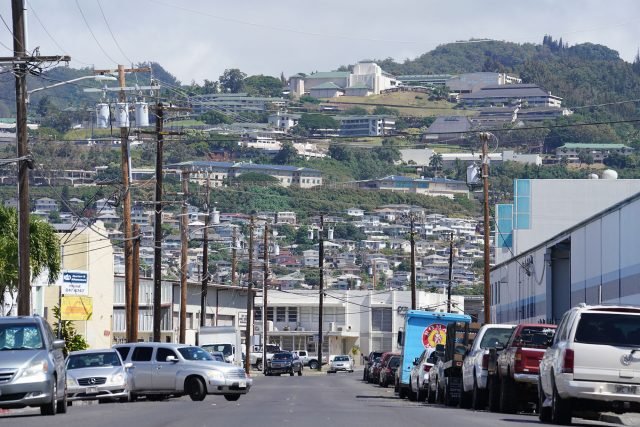
Honolulu is generally considered one of the safer major U.S. cities, though it still experiences property crime such as theft and burglary. Violent crime is less common and tends to be limited to specific urban districts rather than widespread. Tourist areas and residential neighborhoods are usually well-patrolled and benefit from strong visibility and policing. As a major travel destination, maintaining safety in key zones is a priority. While no large city is completely free of crime, Honolulu remains relatively safe for both residents and visitors.

48. North Dakota – Fargo
Fargo has relatively low crime rates compared to national averages, with most incidents involving property crime rather than violence. Serious violent offenses are less common and usually limited to small, localized areas. The city’s smaller population and close-knit community help maintain stability and reduce overall risk. Local safety efforts and community involvement also support lower crime levels. Overall, Fargo is viewed as a safe city with limited exposure to serious criminal activity.

49. South Dakota – Sioux Falls
Sioux Falls has a moderate crime level, with most incidents linked to property crimes and occasional cases of assault or disorderly behavior. Some urban areas experience higher activity, but the majority of the city remains safe and stable for everyday life. Economic growth has increased activity in certain districts, but local policing and community efforts help maintain balance. Compared to national averages, violent crime remains relatively limited, making it generally a safe city overall.

50. Vermont – Burlington
Burlington has one of the lower crime rates among U.S. cities, with most incidents involving minor property crimes like theft or burglary. Violent crime is rare and usually limited to isolated situations rather than widespread patterns. Strong community engagement and active local policing contribute to overall safety. Most residential neighborhoods are quiet and stable, creating a secure daily environment. Burlington consistently ranks as one of the safer urban areas in the country.